Evidencia: Crónica. GA2-240202501-AA1-EV03
Evidencia: Crónica. GA2-240202501-AA1-EV03.
The Man Who Challenged Malaria
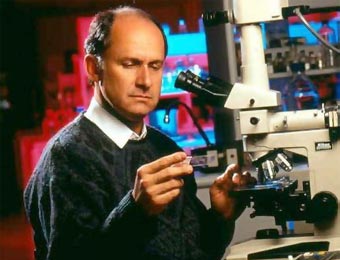
In the heart of Colombia, in a small town called Ataco, Tolima, Manuel Elkin Patarroyo was born in 1946, the scientist who challenged one of the deadliest diseases in the world: malaria. From a young age, his passion for science led him to study medicine at the National University of Colombia, where he discovered his vocation for immunology.
In
the 1980s, Patarroyo embarked on a titanic task: developing a vaccine
against malaria, a disease that claims millions of lives each year in
tropical regions. Unlike traditional vaccines, based on attenuated
microorganisms, his approach was revolutionary: to synthesize in the
laboratory the essential fragments of the parasite that causes the
disease. Thus, SPf66 was born, the first synthetic vaccine against
malaria, a milestone in medical history.
The
discovery earned him worldwide recognition, making him a reference in
the fight against infectious diseases. In 1993, he donated the patent
for his vaccine to the World Health Organization (WHO), hoping it could
be distributed for free in the most affected countries. However, later
trials in different populations showed variable results, generating
criticism and controversy in the scientific community.
Despite the
obstacles, Patarroyo did not stop. He continued refining his method and
working on new versions of the vaccine. His dedication has earned him
countless awards, including the Prince of Asturias Award and the
National Order of Merit in Colombia. Moreover, he has been a vocal
advocate for access to science in developing countries, defending
research as a universal right.
Today,
Manuel Elkin Patarroyo continues his fight against malaria from the
Institute of Immunology of Colombia, with the firm conviction that
science must serve humanity. His story is a testament to perseverance
and commitment, a legacy that inspires new generations of scientists to
challenge the impossible.
The Man Who Challenged Malaria
In the heart of Colombia, in a small town called Ataco, Tolima, Manuel Elkin Patarroyo was born in 1946, the scientist who challenged one of the deadliest diseases in the world: malaria. From a young age, his passion for science led him to study medicine at the National University of Colombia, where he discovered his vocation for immunology.
In
the 1980s, Patarroyo embarked on a titanic task: developing a vaccine
against malaria, a disease that claims millions of lives each year in
tropical regions. Unlike traditional vaccines, based on attenuated
microorganisms, his approach was revolutionary: to synthesize in the
laboratory the essential fragments of the parasite that causes the
disease. Thus, SPf66 was born, the first synthetic vaccine against
malaria, a milestone in medical history.
The
discovery earned him worldwide recognition, making him a reference in
the fight against infectious diseases. In 1993, he donated the patent
for his vaccine to the World Health Organization (WHO), hoping it could
be distributed for free in the most affected countries. However, later
trials in different populations showed variable results, generating
criticism and controversy in the scientific community.
Despite the
obstacles, Patarroyo did not stop. He continued refining his method and
working on new versions of the vaccine. His dedication has earned him
countless awards, including the Prince of Asturias Award and the
National Order of Merit in Colombia. Moreover, he has been a vocal
advocate for access to science in developing countries, defending
research as a universal right.
Today,
Manuel Elkin Patarroyo continues his fight against malaria from the
Institute of Immunology of Colombia, with the firm conviction that
science must serve humanity. His story is a testament to perseverance
and commitment, a legacy that inspires new generations of scientists to
challenge the impossible.


Comentarios
Publicar un comentario