Learning Beyond Borders
Welcome
Hello! This blog is a compilation of my learning process in English, combining videos, audios, and written texts that I have worked on during my training. Here, I share personal reflections, experiences, and insights about family, hobbies, travels, and current events, as well as academic topics such as critical thinking, media literacy, and crime and punishment.
Evidencia Ga1-240202501-AA1-EV02.Video Presentación
Cartagena de Indias is one of the most beautiful cities in Colombia.
It is famous for its colonial architecture, colorful streets, and Caribbean beaches.
The Walled City and the Castle of San Felipe are historical treasures that tell the story of its past.
Cartagena is not only history, but also music, joy, and culture that attract visitors from all over the world.
https://youtu.be/NGkFu_BIAwU?si=8FgSyZiZihWBteUr
Evidencia: Crónica. GA2-240202501-AA1-EV03.
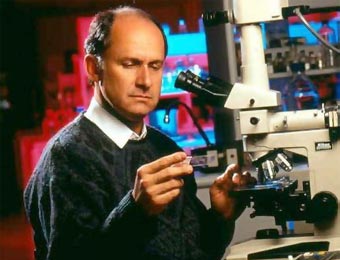
The Man Who Challenged Malaria
In the heart of Colombia, in a small town called Ataco, Tolima, Manuel Elkin Patarroyo was born in 1946, the scientist who challenged one of the deadliest diseases in the world: malaria. From a young age, his passion for science led him to study medicine at the National University of Colombia, where he discovered his vocation for immunology.
In the 1980s, Patarroyo embarked on a titanic task: developing a vaccine against malaria, a disease that claims millions of lives each year in tropical regions. Unlike traditional vaccines, based on attenuated microorganisms, his approach was revolutionary: to synthesize in the laboratory the essential fragments of the parasite that causes the disease. Thus, SPf66 was born, the first synthetic vaccine against malaria, a milestone in medical history.
The discovery earned him worldwide recognition, making him a reference in the fight against infectious diseases. In 1993, he donated the patent for his vaccine to the World Health Organization (WHO), hoping it could be distributed for free in the most affected countries. However, later trials in different populations showed variable results, generating criticism and controversy in the scientific community.
Despite the obstacles, Patarroyo did not stop. He continued refining his method and working on new versions of the vaccine. His dedication has earned him countless awards, including the Prince of Asturias Award and the National Order of Merit in Colombia. Moreover, he has been a vocal advocate for access to science in developing countries, defending research as a universal right.
Today, Manuel Elkin Patarroyo continues his fight against malaria from the Institute of Immunology of Colombia, with the firm conviction that science must serve humanity. His story is a testament to perseverance and commitment, a legacy that inspires new generations of scientists to challenge the impossible.
Vídeo entrevista virtual GA2 240202501 AA1 EV02
As part of my English training (Level 2), I recorded a job interview
video with the support of one of my classmates. In this exercise, I
first played the role of the candidate, applying for a position related
to my professional profile, and later I switched roles to act as the
interviewer.
This activity allowed me to practice communication skills, fluency, and confidence in English.
Interview Questions
During the interview, I answered common job interview questions such as:
Tell us about yourself.
What motivates you?
What are your hobbies?
What are your future plans if you get this job?
What are your career goals?
What do you see as a major success in your life?
Why did you leave your last job?
Where do you see yourself in 5 years?
https://youtu.be/yYKqF-WibJg?si=xyWvHkx935oO_jVN
Audio. GA3-240202501-AA1-EV02.
In this audio, I will introduce myself and share my attitudes, beliefs, and obligations in my academic and work context.

https://www.spreaker.com/podcast/audio-ga3-240202501-aa1-ev02--6610284
Evidencia GA1-240202501-AA1-EV03. Folleto
Hello, my name is Pedro Quiroz Paternina. I am studying Technology in Integral Transport Management at SENA.In this brochure, I will present the main information and characteristics of my academic program, its objectives, and the opportunities it offers for my professional future.

Critical Thinking and Media Literacy
Critical thinking and media literacy are essential skills in today’s world. They help us analyze information, identify reliable sources, and avoid misinformation. Students must develop the ability to question, evaluate, and reflect on the content they read or watch. These skills are necessary to make informed decisions in both academic and professional contexts.

Crime and Punishment
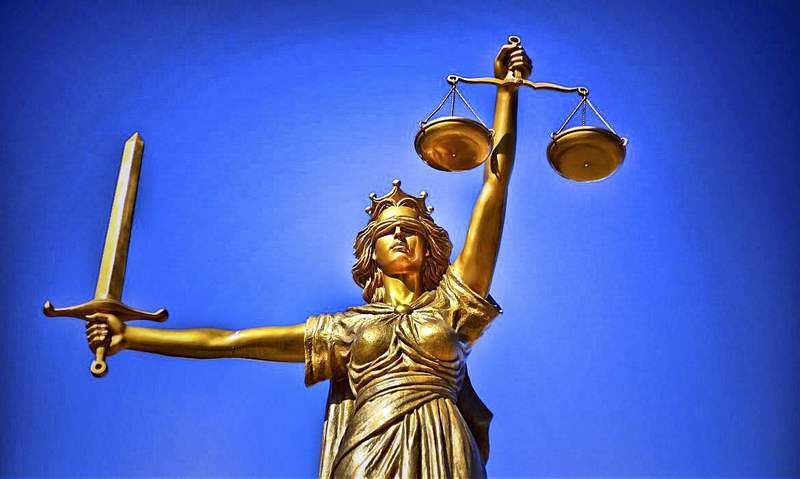
Crime and punishment are important topics in society. Understanding the causes of crime allows us to reflect on social, economic, and cultural problems. At the same time, punishment should be fair and focused not only on correcting mistakes but also on preventing future crimes. This balance helps create a safer and more just community.

Comentarios
Publicar un comentario